

Introduction: The Career Path I Never Planned
When I started my career in security, I assumed progression would look linear—move up, move forward, build experience, and eventually arrive at leadership. That’s often how this profession is framed, especially from the outside. What I’ve learned over time is that very few careers in this field actually unfold that way. My own path has been shaped by pivots rather than straight lines. Some of those pivots were intentional. Some were forced by circumstance. Others came from a simple but difficult realization that I was no longer aligned with where I needed to be. Looking back, I don’t see instability, although others may have. I see progression through recalibration.
And more importantly, I see a career built not by following a predictable path, but by making intentional decisions when the path changed, and when unintentional pivots occurred, I had the ability to adapt and overcome.
The Illusion of a Straight-Line Career
There is a common narrative in security and law enforcement that success follows a clear trajectory:
You enter the field. You gain experience. You move up. You eventually arrive at leadership. But that narrative leaves out what actually defines most careers in this space: decision points.
In reality, careers are shaped by:
- Organizational changes and restructuring
- Operational demands that shift direction quickly
- Life events that force priorities to change
- Opportunities that require stepping into uncertainty
- Moments where alignment no longer exists
At the time, these moments often feel like disruption. But over time, I’ve come to understand them as inflection points that shaped my development far more than any straight-line progression ever could.
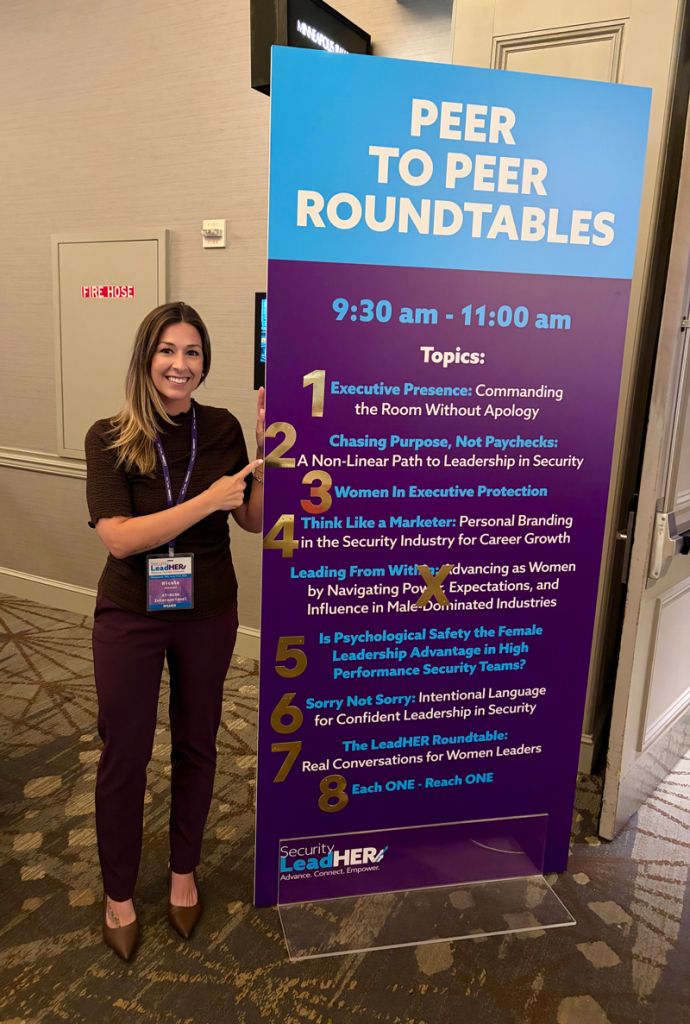
My Career Has Been Built Through Pivots, Not Straight Lines
My career began in local law enforcement, where I built my foundation in structure, discipline, and operational accountability. From there, I transitioned into federal service, which expanded my scope of responsibility and exposed me to a much broader mission set. Like many professionals in this field, each move initially appeared to be a step forward on paper. But the reality was more complex. There were moments when I chose to leave stability because the role no longer aligned with my long-term growth. There were times I accepted positions contingent on training or academy completion. There were decisions that required me to leave comfort for uncertainty.
That included:
- Moving between law enforcement and federal service environments
- Entering roles that required additional academy training or certification
- Transitioning from government service into the private sector
- Leaving a Fortune 500 organization for a smaller, more agile environment
- Accepting a pay cut in exchange for long-term alignment and opportunity
At different points, each of these decisions could have been viewed as a detour.
In hindsight, each one was a deliberate step toward building a more aligned career.
What People See vs. What They Don’t See
From the outside, my career can look structured and intentional:
- Criminal Justice degree
- Local law enforcement
- Federal service
- Executive protection roles
- Corporate security positions
- Operational leadership
What that list doesn’t show is everything that happened behind each transition, including:
- Choosing growth over title
- Taking risks early in my career to attend academies and training programs
- Leaving roles where I had stability but limited alignment
- Navigating periods of uncertainty where I didn’t yet know what came next
- Working through frustration during moments of misalignment
- Prioritizing experience over compensation
Those are the moments that shaped my leadership more than any title ever did.

Reframing Setbacks as Strategic Corrections
One of the most important shifts in my career has been learning how to reframe setbacks. In real-time, a transition can feel like loss—loss of stability, identity, or direction. But I’ve learned to look at those moments differently.
In many cases, what feels like a setback is actually:
- A signal that my skills have outgrown my current role
- A shift in organizational needs that no longer aligns with my strengths
- A personal recalibration of priorities
- A necessary pause before the next stage of growth
COVID was a major example of this. Like many professionals, it forced me to reassess what stability and fulfillment actually meant in both my personal and professional life. It changed my trajectory, but it also clarified it.
Not every disruption is negative. Some of them force clarity.
Purpose Became My Decision Filter
Over time, I stopped making career decisions based solely on title or compensation. Instead, I started filtering decisions through purpose. That shift changed everything.
When I began prioritizing purpose, I started asking myself different questions:
- Is this role helping me grow in the direction I want to go?
- Am I building capability or just maintaining comfort?
- Does this environment align with how I operate best?
- Am I making this decision from confidence or fear?
These are not abstract questions. They are practical ones. And in my experience, they determine the difference between long-term fulfillment and short-term progression. Purpose does not remove risk. It helps you understand which risks are worth taking.
Intentional Growth Through a Non-Linear Path
One of the misconceptions in this field is that there is a single path to leadership. I don’t believe that’s true. My experience across law enforcement, federal service, executive protection, corporate security, and operations has given me a broader lens than any single-track career could have provided.
Each environment required something different from me:
- Adaptability in fast-moving operational settings
- Strategic thinking in corporate environments
- Discipline and accountability from law enforcement foundations
- Leadership under pressure across different organizational cultures
That diversity of experience has become one of my greatest strengths as a leader. Non-linear careers don’t dilute leadership potential. In many cases, they strengthen it.
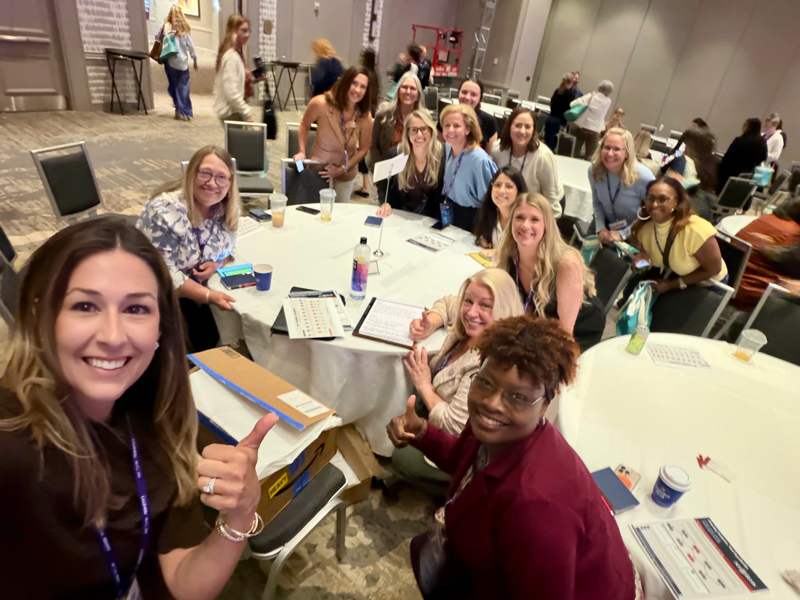
Closing Reflection: The Career I Built Was Not the One I Planned
If you had asked me early in my career what my path would look like, I would have described something far more linear than what actually unfolded. But I’ve come to value the path I did take more than the one I originally imagined. Every pivot, every risk, and every moment of uncertainty contributed to the leader I am today. What I’ve learned is that leadership is not defined by how directly you get somewhere. It is defined by your willingness to make decisions when the path is unclear—and to trust that alignment matters more than predictability.
I didn’t chase the straightest path. I chased purpose. And in doing so, I built a career I’m genuinely proud of.